
A Guide for Training Incumbents, Supervisors, and Ministry Leaders
Ministry training is an intense season of spiritual formation, academic study, and practical service. For centuries, the Church has been a highly text-based institution, which can make the training process uniquely challenging for trainees with dyslexia.
This guide is designed to help training incumbents and diocesan leaders understand how dyslexia impacts ministry and how to put practical support structures in place so neurodivergent ministers can thrive in their calling.
Recognising the Dyslexic Advantage in Ministry
Dyslexia is often mistakenly viewed purely as a difficulty with reading and writing. In reality, it is a different way of processing information that brings incredible, often overlooked gifts to a parish. Ministers with dyslexia frequently exhibit:
- Big-picture thinking: An extraordinary ability to see how different theological concepts, parish dynamics, and community needs connect, often spotting solutions others miss.
- Strong verbal and narrative skills: Because they may rely less on reading scripted text, many dyslexic ministers are natural storytellers, highly engaging preachers, and exceptional verbal communicators.
- Deep empathy and resilience: Having navigated a world not built for their brains, dyslexic ministers often possess profound empathy for the marginalised and a strong resilience in the face of setbacks.
- Spatial and visual awareness: A natural intuition for how a physical space feels, making them excellent at designing engaging worship environments and community events.
Common Friction Points During Training
While their big-picture thinking is an asset, the heavily text-dependent mechanics of traditional parish life and theological training can create significant hurdles. Common challenges include:
- Sight-reading liturgy and scripture: Being asked to read a complex, unfamiliar passage or a long Eucharistic prayer aloud without prior preparation can cause immense anxiety and lead to stumbling over words.
- Theological study load: The sheer volume of dense academic reading required during curacy or lay training can be exhausting. Reading fatigue sets in much faster for dyslexic individuals.
- The administrative burden: Drafting parish emails, writing newsletter articles, or minuting PCC meetings can take significantly longer and be a source of deep frustration or embarrassment due to spelling and grammar anxieties.
- Working memory limitations: Dyslexia often impacts working memory, meaning a sequence of verbal instructions (e.g., "Go to the vestry, grab the green stole, check if the wardens have the chalice, and then ring the bell") can easily become jumbled.
Practical Support and Reasonable Adjustments
Supporting a trainee with dyslexia doesn't mean lowering academic or pastoral standards; it means removing the artificial barriers that a heavily text-based culture creates. Here are practical adjustments training incumbents can implement:
1. Liturgy and Public Ministry
- No surprise readings: Never spring a public reading on a dyslexic trainee at the last minute. Provide scriptures, liturgy, and service sheets well in advance so they have time to rehearse and internalise the text.
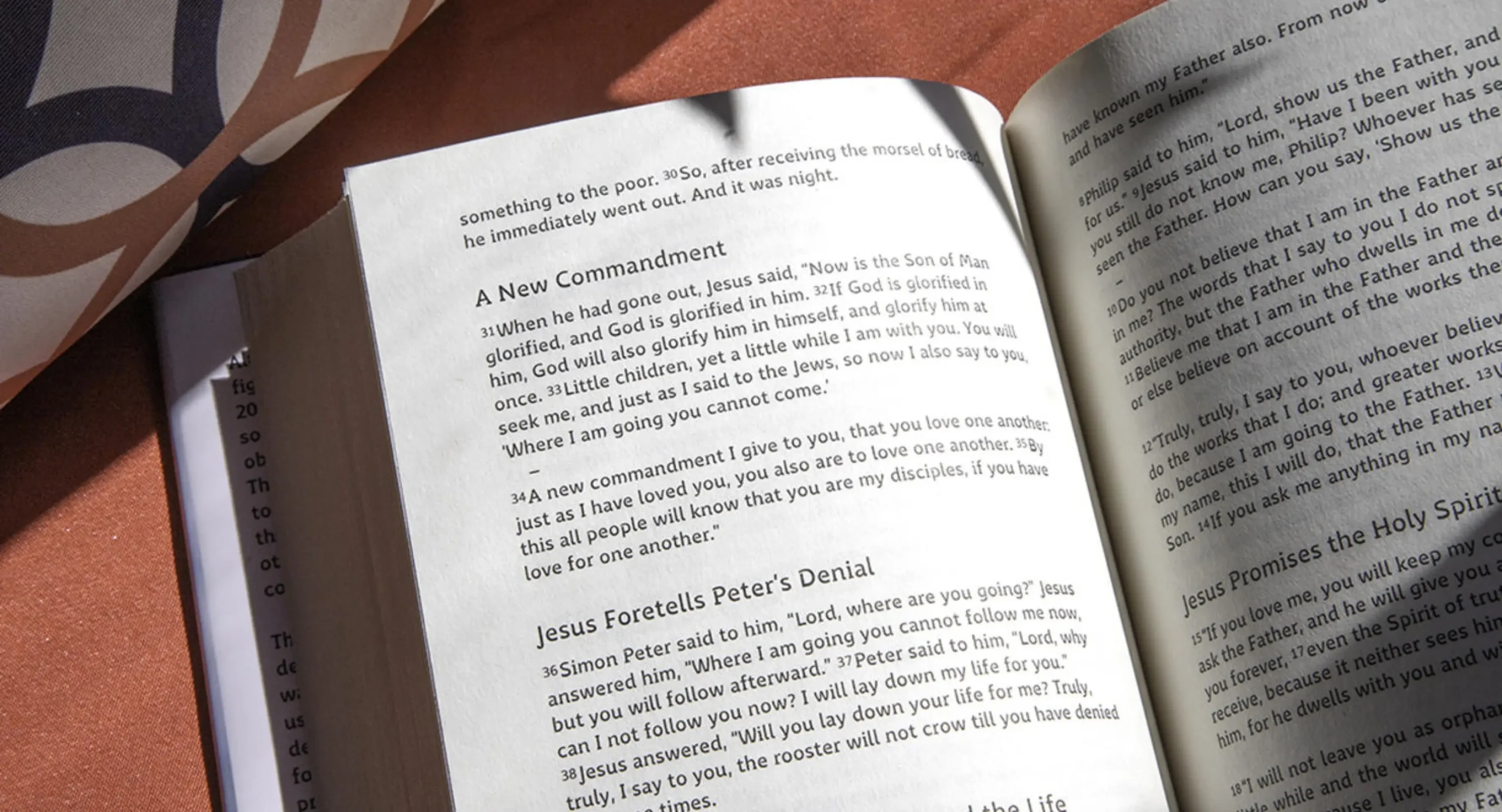
- Accessible formatting: When printing service booklets or reading sheets, use dyslexia-friendly formatting: sans-serif fonts (like Arial or Calibri), a minimum of point 12 or 14 size, 1.5 line spacing, and print on off-white or pastel-coloured paper to reduce visual glare.
- Permission to paraphrase: Where liturgically appropriate, allow the minister to speak extemporaneously or paraphrase rather than demanding word-for-word adherence to a printed script.
2. Managing Administration
- Decouple intelligence from spelling: Cultivate an environment where spelling mistakes in internal communications are completely normalised and not viewed as a sign of carelessness.
- Utilise assistive technology: Ensure the parish or diocese provides access to tools like speech-to-text software, advanced grammar checkers (like Grammarly), and text-to-speech programs so they can "listen" to long emails or documents rather than reading them.
- Play to their strengths: If your curate is a brilliant pastoral visitor but struggles with the parish magazine, have them record their thoughts as a voice note and ask a parish administrator or volunteer to transcribe it.
3. Study and Sermon Preparation
- Alternative formats for learning: Encourage the use of audiobooks, podcasts, and video lectures for their continuing ministerial education (CME) rather than relying solely on dense theological textbooks.
- Mind-mapping over outlining: When discussing sermon preparation, encourage visual methods like mind-mapping rather than forcing them to write linear, Roman-numeral outlines.
Reframing the Narrative
Ultimately, the goal of the training period is to form ministers who can communicate the Gospel authentically. When training incumbents understand that dyslexia is a cognitive difference rather than a deficit, they help create an environment where these trainees don't have to waste energy masking their struggles.
By implementing these reasonable adjustments, the Church can fully benefit from the profound communication skills, innovative thinking, and deep pastoral empathy that dyslexic ministers bring to the Kingdom.



0 Comments